
When to trim trees in North Carolina: a month-by-month guide
By Alejandro Castro, Castro Tree Services · · 6 min read
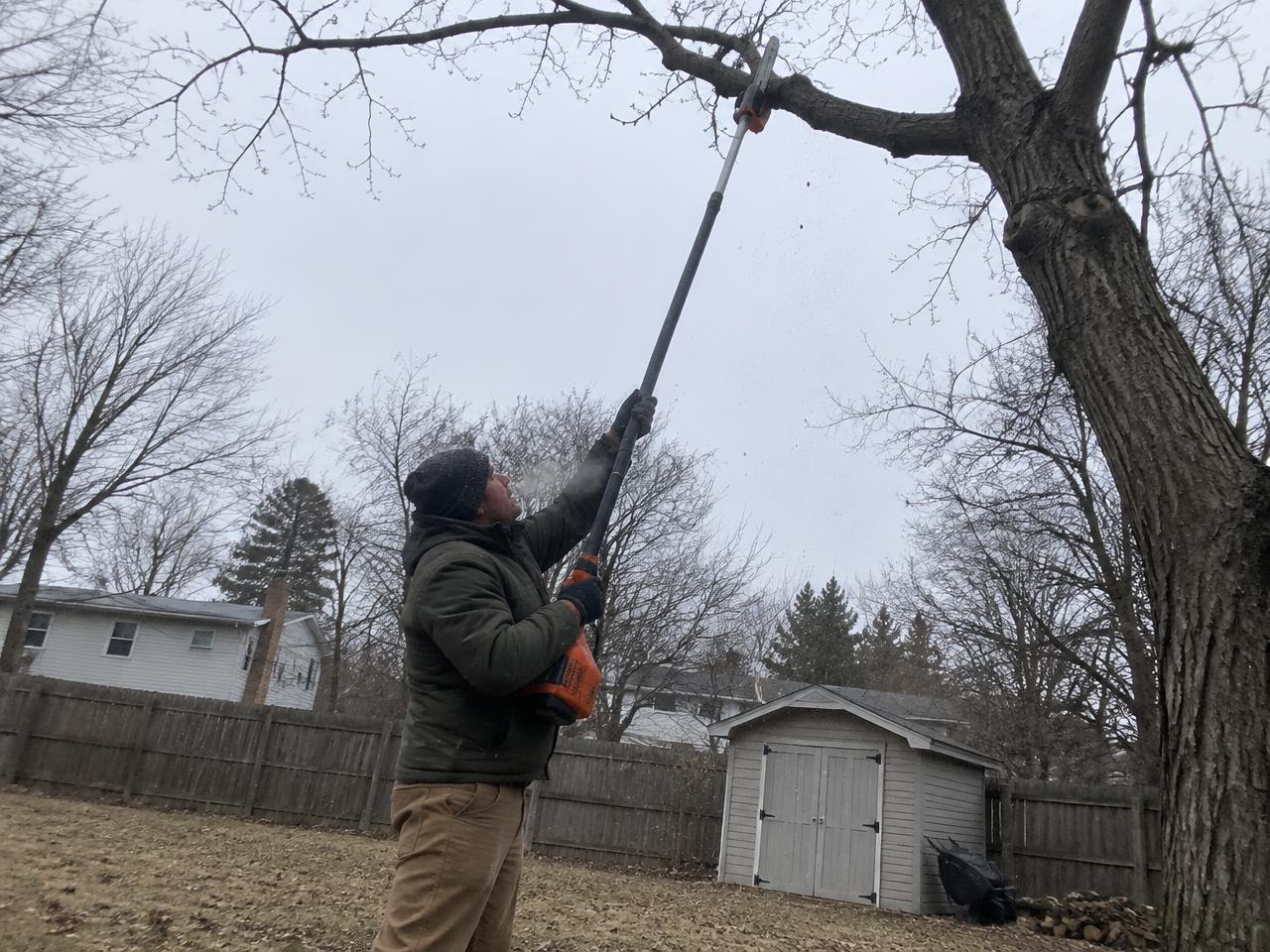
Timing pruning well is mostly about two things: how fast the wound seals, and what disease or insect is active when you make the cut. In central North Carolina that points at the dormant window.
Here is the calendar we work to around Apex and the Triangle, and the exceptions that matter.
The short answer
Late winter — roughly December through early March — is the best pruning window for most trees here. The structure is visible without leaves, wounds seal quickly once spring growth starts, and insects and most pathogens are dormant.
The exception, always: dead, broken, hanging, or roof-contact limbs come off whenever you find them. Storm damage does not wait for a season.
December through February — the main window
Structural pruning, crown thinning, canopy raising, and deadwood removal on nearly all hardwoods. This is when we do most of our planned pruning, and scheduling is easier than in spring.
Maples, birches, and elms may bleed sap from late-winter cuts. It looks alarming and does not harm the tree.
March through May — be careful with oaks
Avoid pruning oaks in spring if you can. Beetles that spread oak wilt are most active then and are drawn to fresh cuts. If an oak limb must come off for safety, take it and move on — but do not plan elective oak work for April.
Spring is a fine time to prune spring-flowering ornamentals right after they finish blooming, and to remove any winter storm damage you have been ignoring.
June through August — light work only
Summer is for clearance and safety pruning, not for reshaping. Trees are running at full tilt and heavy summer pruning removes the leaves they need. Limbs on the roof, over the drive, or in the gutters should still be cleared now.
Summer is also the honest time to spot deadwood, since dead limbs are obvious against a full canopy. Note them and plan the work for winter.
September through November — the worst window
Early fall is the least favorable time for significant pruning here. Decay fungi are releasing spores, wounds seal slowly heading into dormancy, and late cuts can push tender growth that gets nipped by the first freeze.
Fall is the right time to look, not cut: identify what needs attention, then get it on the schedule for December or January. Doing that also means you are not calling everyone in town after the first ice storm.
By species, around the Triangle
- Oaks (willow, water, red, white): late winter. Avoid spring cuts.
- Maples: late winter; expect sap flow and ignore it.
- Loblolly and other pines: any time for dead lower limbs; never top a pine, and skip heavy canopy work.
- Crape myrtle: late winter. Thin and clean it — do not cut the tops off.
- Fruit trees: late winter, before bud break, for structure and airflow.
- Bradford pear: late winter, and get a professional eye on that narrow trunk union while you are at it.
What never to do, in any month
- Topping. It creates weak regrowth, decay at every stub, and a bigger hazard in five years.
- Removing more than about a quarter of a live canopy at once.
- Flush cuts against the trunk — cut just outside the branch collar so the tree can seal.
- Climbing spikes on a living tree you intend to keep.
- Leaving stubs. They do not heal; they rot.
Late winter books up fast around here. If you know a tree needs work, get on the calendar in the fall and it gets done in the right window.